
The Travel Photographer’s Gear Guide for 2025
GS Travel Photo is a participant in the Amazon Services LLC Associates Program. As an Amazon Associate, I earn from qualifying purchases. That means I may earn a small commission if you book or buy through these links — at no extra cost to you. I only recommend products and places I’ve stayed or researched thoroughly. Thanks for supporting this site. You can read the full privacy policy here.
Real Travel, Real Gear
This post isn’t about gear you saw in a product roundup written by someone who’s never left their desk. It’s about what actually works on real trips—tested in the rain, stuffed in backpacks, and dragged up hills where no rolling camera bag should ever go. I built this list to stay light, shoot smart, and focus on results. No gimmicks, no overkill.
When I compared prices, Amazon came out cheapest more often than not—especially when factoring in shipping and bundles. But if you’re the kind of person who wants expert staff and a legit photo reputation, B&H and Adorama are both rock-solid. Canon’s own store can be worth checking too, especially for refurb gear and promo bundles.
And if you’re looking for used gear that isn’t held together by duct tape and wishful thinking, KEH is your best bet. They rate every item, clean it, test it, and back it with a warranty. That old camera body you’ve been eyeing? Probably safer from them than your cousin’s sketchy Facebook Marketplace listing.
Now, let’s be honest. This is not a cheap hobby. Photography eats money and asks for seconds. So here’s your last chance to back out and take up, I don’t know… whittling? Rock painting? Lawn bowling? Something with less gear and fewer SD cards to lose in rental car cupholders.
Travel Light with This Mirrorless Camera Body
Canon EOS R6 Mark II
This is the camera that finally made me ditch my DSLR for good. It’s full-frame and mirrorless, which means better low-light performance, less bulk, and way faster autofocus—especially when you’re trying to catch a street scene or a fast-moving waiter with your pasta. The customizable dials let me switch between photo and video setups without digging through menus, which saves time and sanity on the road.
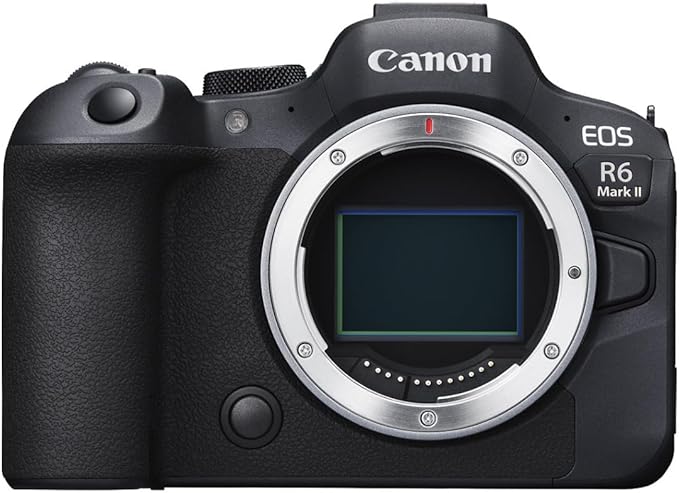
It’s not cheap. But it’s reliable, weather-sealed, and light enough to carry all day without hating your life. After testing it across Tuscany, Sicily, and the Alps, I’m not looking back.
I shoot in the Canon ecosystem, so this was the natural upgrade for me—but if you’re starting from scratch, the Sony A7 IV and Nikon Z6 II are also worth a look. Each one has its strengths, and all three punch way above their weight when it comes to travel and landscape photography.
As for backup? I don’t carry a second body. If the R6 dies mid-trip, I shoot on my iPhone in RAW mode. Not ideal, but it works—and it means less weight in my bag and fewer “just in case” regrets.
Check it on Amazon
See used options on KEH
If you’re already in another system, no need to switch. Both Nikon and Sony have excellent full-frame mirrorless options that hold up just as well for travel photography.
Nikon Z6 II – underrated, excellent image quality
Amazon | KEH
Sony A7 IV – great sensor, solid video features
Amazon | KEH
One Lens That Does It All
Canon RF 24–240mm f/4–6.3 IS USM
This is the lens that lives on my camera 90% of the time. It’s not fancy, it’s not flashy—but it works. From wide-angle shots of Tuscan landscapes to zooming in on street scenes, towers, or someone’s gelato three tables over, it covers basically everything I need without ever swapping lenses on the road.

It’s sharp enough for print, light enough to carry all day, and the image stabilization is surprisingly solid—even for handheld video or slower shutter travel shots. Most importantly: it lets me travel with one lens, not three.
Is it the fastest lens out there? Nope. But for everyday travel photography—especially when you’re walking, hiking, or on a tight schedule—it’s the perfect mix of flexibility, quality, and sanity.
Check it on Amazon
See used options on KEH
Both Nikon and Sony have excellent walkaround lenses that offer the same one-lens-for-everything flexibility.
Nikon 24–200mm – Lightweight, sharp, and steady for handheld shooting.
Amazon | KEH
Sony 24–240mm – Great range, ideal for full-frame mirrorless travel setups.
Amazon | KEH
If you only bring one lens, make it this kind of lens. It’ll save your back, your budget, and your shot.
Accessories That Make a Difference
These aren’t just random gadgets tossed in a bag “just in case.” These are the few accessories I pack every single trip—the ones that solve problems before they happen, save my back from regret, and make it easier to focus on shooting, not fiddling.
BlackRapid Sling Strap

Standard neck straps are fine if you enjoy back pain, tangled camera bodies, and screaming “tourist!” in every photo. The BlackRapid sling is the first thing I bought that made carrying a real camera feel better.
It clips to your tripod mount, hangs at your side, and moves with you like it’s meant to be there. It’s fast, secure, and—bonus—you don’t look like you wandered off a cruise ship. Check it on Amazon
Think Tank TurnStyle 10 V2 Sling Bag

I’ve tried the overbuilt camera backpacks and the “stealth” options that look like yoga bags. This one wins. It’s small enough to carry comfortably all day, big enough to hold a body, a lens or two, batteries, and cards.
The real magic is the side sling design—just swing it forward, unzip, swap your gear, and move on. No need to stop, sit, or dig. For street photography or short hikes, this bag nails the balance. Check it on Amazon
Platypod Traveler or Delta
There are places where tripods are a no-go: churches, ruins, museums, tight alleys… you name it. That’s where the Platypod comes in. It’s a flat, metal plate with adjustable feet that works like a stealth tripod—set it on a wall, bench, pew, or cobblestone ledge. It’s perfect for long exposures or stable video without drawing attention.
Just know this setup requires two parts:
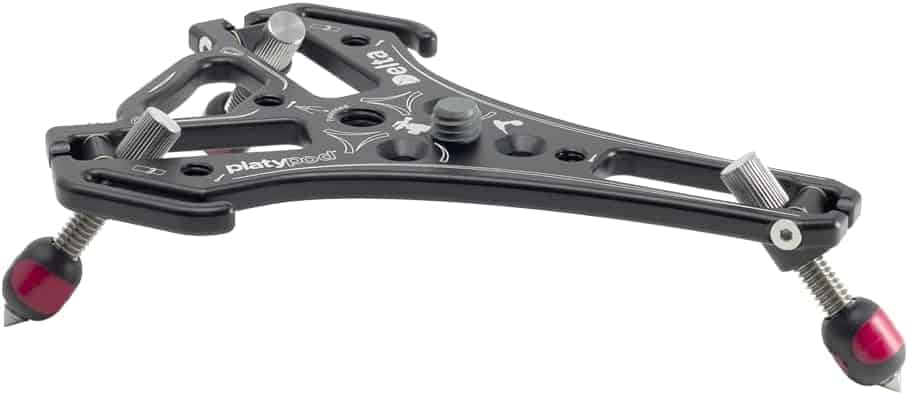
- Base Plate (Platypod Traveler or Delta) – This is the low-profile plate that supports your camera setup. Check it out on Amazon
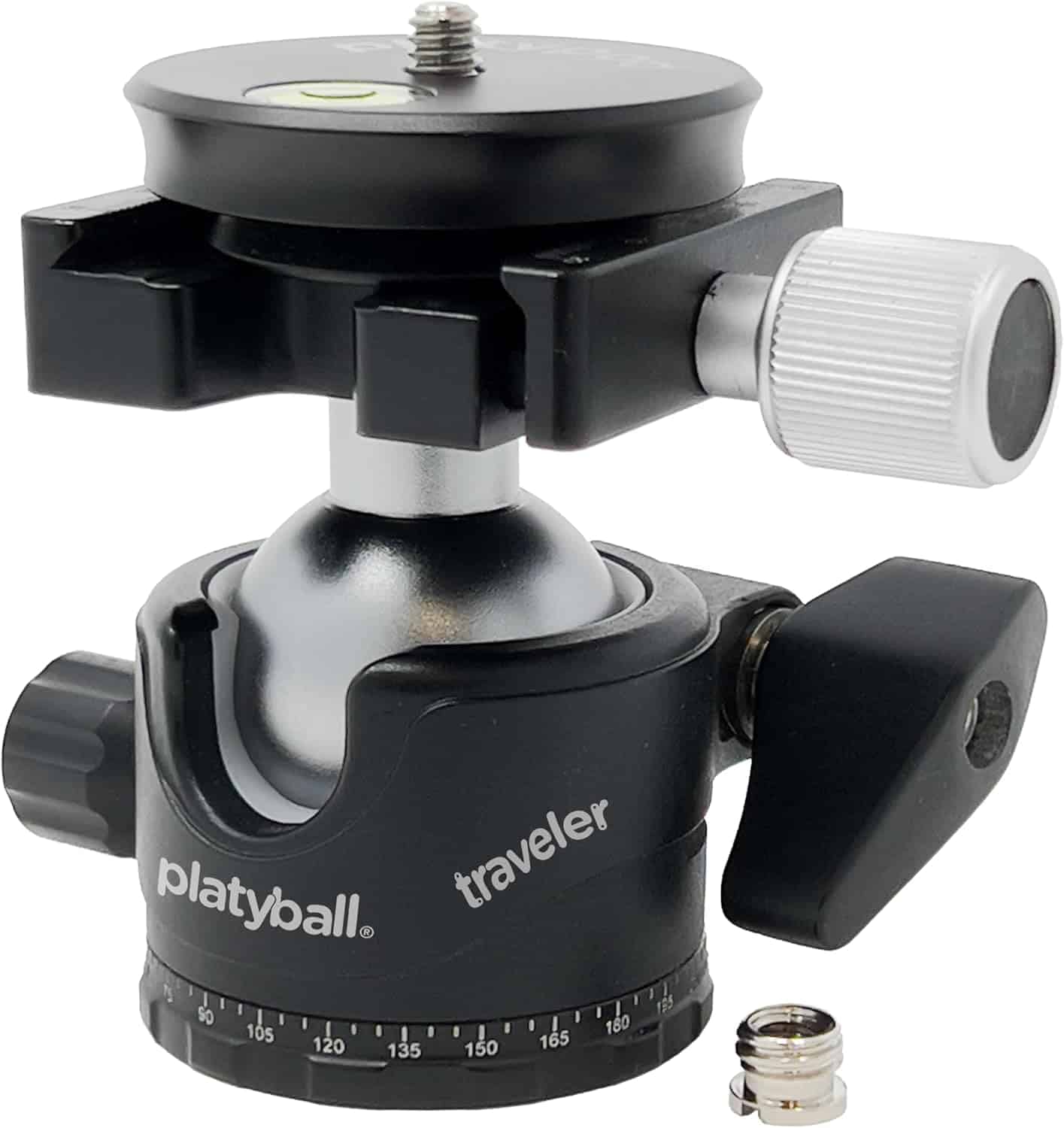
- Ball Head (Sold Separately) – You’ll need a compact ball head to control your camera’s angle and orientation. Check it out on Amazon
These are the tools that actually make a difference—simple, reliable, and built to solve real problems without getting in the way.
ND Filters for Long Exposures
If you’ve ever wanted that silky waterfall look, a tourist-free piazza, or moody motion blur in the middle of the day—this is how you do it. ND filters cut the light so you can slow your shutter speed without overexposing the image.
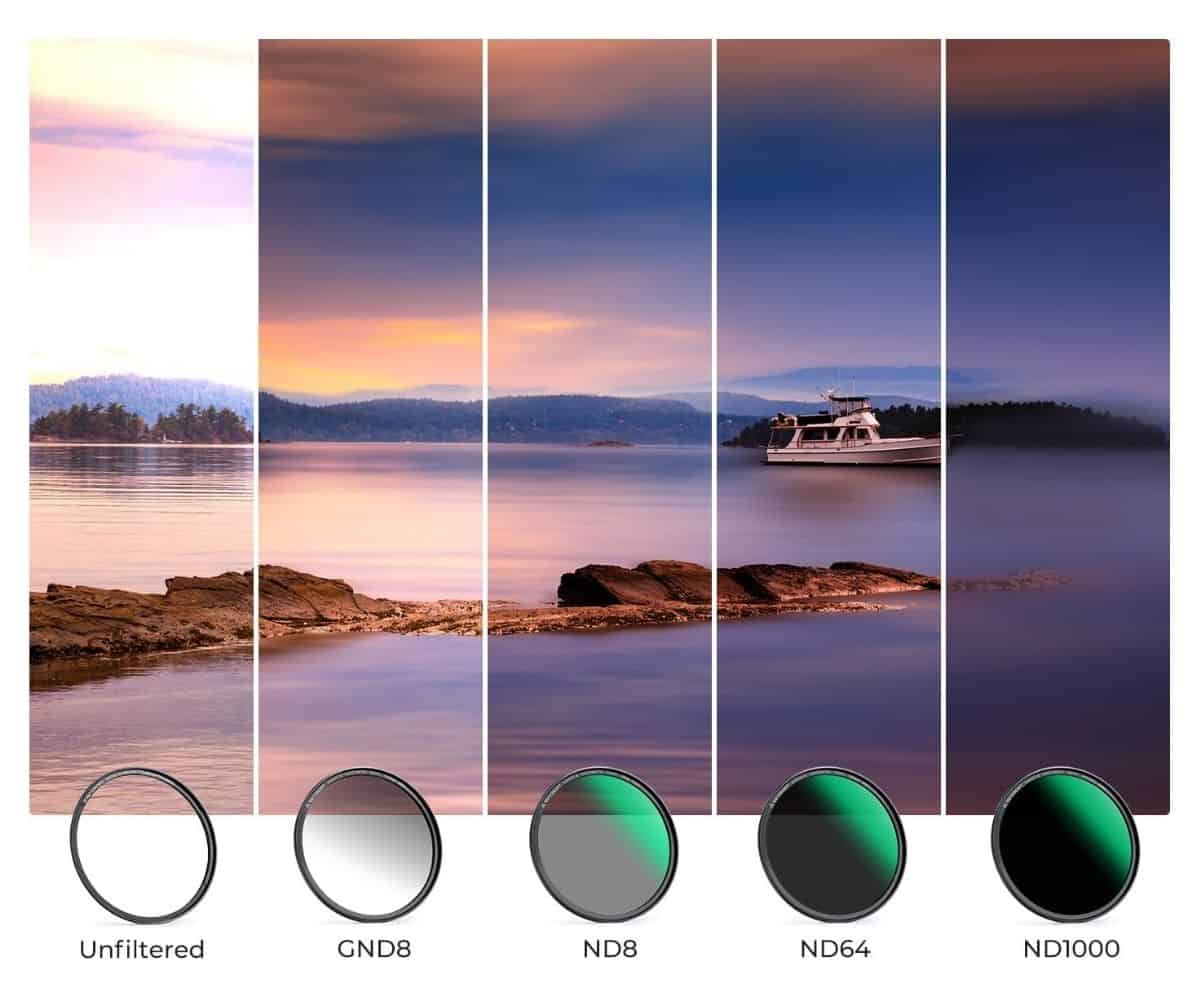
I carry two filters: a 3-stop (ND8) for shooting wide open in bright light—great for portraits and shallow depth of field—and a 10-stop (ND1000) for long exposures, like smoothing water, clearing crowds, or shooting sunlit city scenes.
This ND Filter Kit is fast to use, easy to pack, and surprisingly good for the price. The magnets are strong, the image quality is clean, and the whole set fits neatly into one small case. No threading, no stress. Check it out on Amazon
Best Camera Roller Bag for Travel
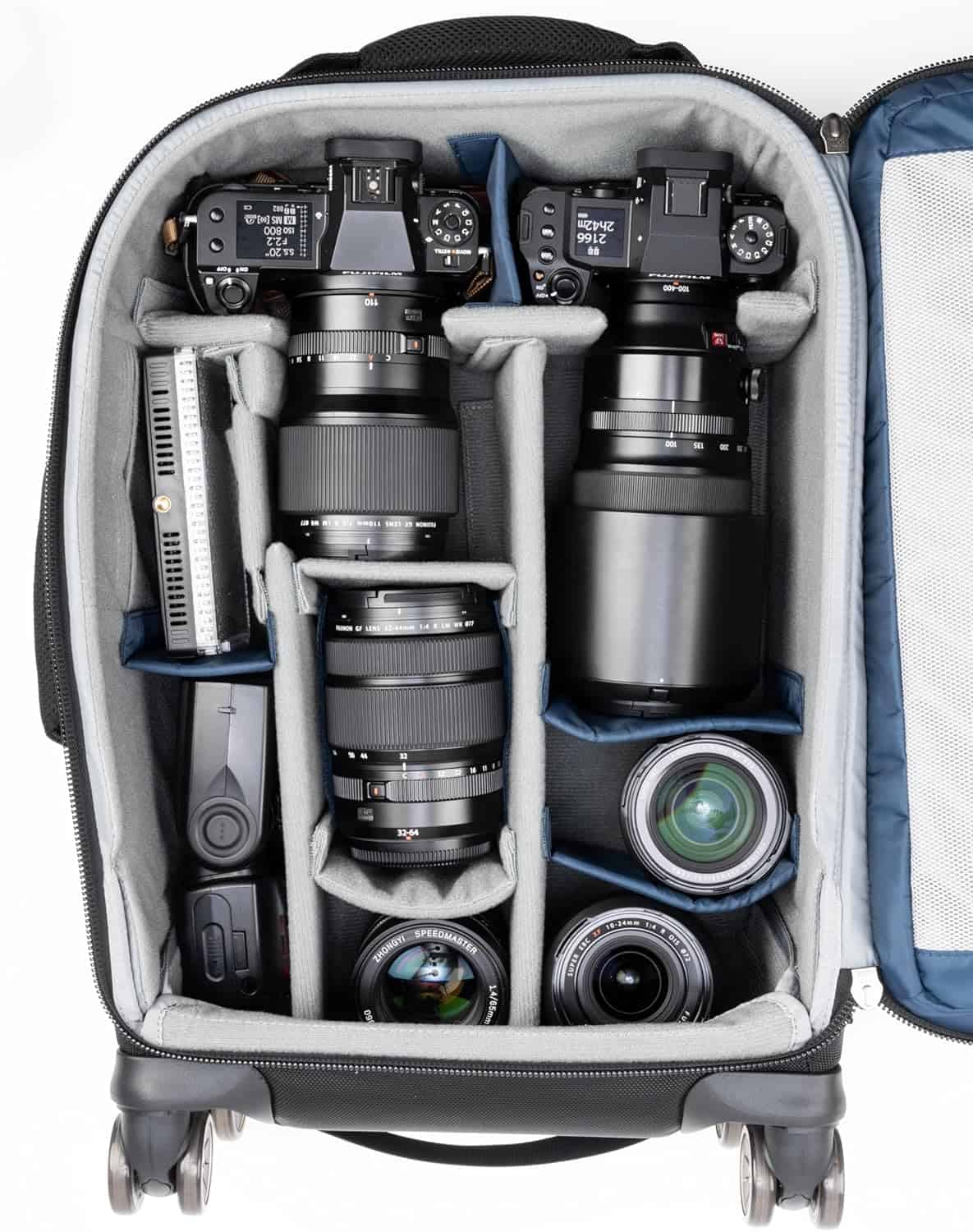
If I had to pick one bag for hauling a full photography kit across countries, airports, and cobbled old towns—it’s the Think Tank Airport Roller Derby. This bag is a workhorse. It holds two camera bodies, multiple lenses, a laptop, filters, batteries, cables, and probably a sandwich or two if you get creative.

But the real win? It rolls. On four spinner wheels. Smoothly. Through airports, hotel lobbies, and yes—even European sidewalks that feel like medieval punishment devices. Compared to carrying a backpack for hours, this thing is your spine’s best friend.
It’s not just a suitcase with foam inside either. The compartments are built for real-world use: secure, customizable, and padded in all the right places. Zippers are tough. The handle telescopes without jamming. It fits in overhead bins on most international flights. No gimmicks—just gear that works. Check it out on Amazon
This is the bag I trust when I need everything with me… but still want to look like a traveler, not the second shooter at a destination wedding in Tuscany.
Gear vs. Experience
Here’s the thing no one tells you when you’re filling your cart with filters, straps, and tripods: you don’t need all the things.
Great travel photography isn’t about owning every shiny object on B&H. It’s about staying light, staying flexible, and having the mental bandwidth to notice the shot when it shows up. When your bag is overloaded, your brain gets overloaded. And when your setup slows you down, you miss moments that don’t wait around.
Most of my favorite photos didn’t come from having the “right” lens—they came from being present, quick on the draw, and able to move without turning into a sweaty turtle. That’s the whole point of this setup: not to check every box on a spec sheet, but to travel smarter and actually enjoy the process.
This isn’t about minimalism for the sake of minimalism. It’s about simplifying enough that the gear serves the trip—not the other way around. Fewer zippers. Fewer decisions. Fewer moments lost to fiddling with gear you brought “just in case.”
Use what works. Leave the rest behind. And remember: the best photo is usually the one you had the time (and energy) to stop and take.
Shop My Travel Photography Kit
Every item below has been dragged through airports, hiked through vineyards, and shot in weather that made me question my life choices. If it’s on this list, it’s earned its place in the bag.
Canon R6 Mark II
Amazon | KEH
Canon RF 24–240mm Lens
Amazon | KEH
BlackRapid Sling Strap
Amazon
Platypod Traveler (Base Plate)
Amazon
Ball Head (for Platypod)
Amazon
K&F Concept ND Filter Kit (3-stop + 10-stop)
Amazon
Think Tank TurnStyle 10 V2 Sling (Everyday Carry)
Amazon
Think Tank Airport Roller Derby (Full Kit Roller Bag)
Amazon
Notes
I shoot Canon, but if you’re in the Nikon or Sony camp, their equivalents are just as solid. I only list stuff I’ve personally used and tested on the road. If it didn’t work, it’s not here.
Most links go to Amazon or KEH for used gear—because after comparing everything, Amazon consistently had the best prices and fastest shipping, and KEH offered the best actual value for used gear (clean, tested, and warrantied). Other sites like B&H and Adorama were usually 5–10% more expensive and slower to ship on nearly every item I checked.